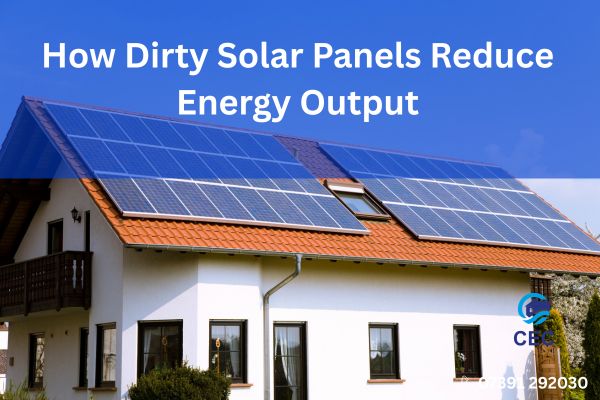
How Dirty Solar Panels Reduce Energy Output
If you have invested in solar panels, you probably did so for one simple reason. You want to generate clean energy and reduce your electricity bills.
What many homeowners do not realise is that dirty solar panels can quietly reduce how much power your system produces. The panels may still look “fine” from the ground, but even light surface contamination can have a noticeable impact on performance.
In this article, we will look at:
How dirt affects solar panel efficiency
The most common causes of build-up in the UK
The real-world impact on your energy generation
Practical steps you can take to keep your system performing at its best
Why Clean Solar Panels Matter
Solar panels work by absorbing sunlight and converting it into electricity. The more direct sunlight that reaches the cells, the more power they can produce.
When dirt, dust, pollen, bird droppings, algae or traffic film settle on the surface, they create a barrier between sunlight and the panel. This reduces the amount of light reaching the cells, which in turn reduces output.
Even a thin layer of grime can make a difference.
Multiple industry studies suggest that dirty solar panels can lose between 5% and 25% of their efficiency, depending on the level of soiling and local conditions. Over time, that loss adds up.
In simple terms:
Less sunlight reaching the panel
Less electricity generated
Lower savings on your energy bills
Common Causes of Dirty Solar Panels in the UK
The UK climate creates ideal conditions for gradual build-up on exterior surfaces, including solar panels.
Some of the most common contributors include:
1. Rainfall and Airborne Pollution
Rainwater is not pure. It carries fine particles from the air, including dust, soot and pollutants. When rain dries, it often leaves a thin residue behind.
2. Pollen and Tree Debris
During spring and summer, pollen levels rise significantly. If your property is near trees, farmland or green spaces, this can settle quickly on panels.
3. Bird Droppings
Bird mess is one of the most damaging forms of soiling. It is acidic, sticky and tends to block small sections of panels completely.
4. Algae and Organic Growth
Shaded or damp areas can encourage algae or biofilm growth along panel edges and frames.
5. Traffic Film
Homes near busy roads may experience higher levels of oily residue and fine dust.
None of these issues mean your panels are faulty. They simply mean they are doing what every exterior surface does. They get dirty over time.
How Dirt Reduces Energy Output
The effect of dirt on solar panels is not always evenly spread.
A single heavy patch, such as bird droppings, can partially block an entire cell or string of cells. Because panels are wired in series, one blocked area can limit the output of a larger section of the panel.
This means:
Small dirty patches can cause disproportionate losses
Output reduction may not be obvious until you check your system data
Losses happen gradually, so they are easy to overlook
Many homeowners only notice an issue when their energy bills creep up or when monitoring apps show declining production.
The Financial Impact Over Time
Let us look at a simple example.
If your solar system produces £800 worth of electricity per year and dirt reduces output by just 10%, that is:
£80 lost per year
£400 over five years
£800 over ten years
That is without accounting for rising energy prices.
Regular cleaning is a relatively small cost compared to the long-term savings it protects.
Why Rain Alone Is Not Enough
A common myth is that rain cleans solar panels.
Rain can rinse loose dust, but it rarely removes sticky residues, oily films or bird droppings. In many cases, rain actually spreads dirt more evenly across the surface and leaves mineral deposits behind.
Think of your car windscreen. Rain alone does not make it properly clean. Solar panels are no different.
Signs Your Solar Panels May Need Cleaning
You may benefit from cleaning if:
Your panels look dull or patchy
You can see visible bird mess or streaking
Your energy monitoring shows a gradual drop in output
It has been over 12 months since the last clean
Even if panels appear acceptable from ground level, close-up inspection often reveals more build-up than expected.
DIY Cleaning vs Professional Cleaning
Some homeowners consider cleaning their own solar panels. While this is possible in limited circumstances, there are important risks.
DIY Risks
Working at height
Slipping on wet roofs
Scratching panel coatings
Using tap water that leaves mineral residue
Damaging seals or wiring
Incorrect cleaning can permanently reduce panel efficiency or void warranties.
Professional Cleaning Benefits
Safe access equipment
Purified water systems
Non-abrasive tools
Insurance cover
Consistent results
Professional solar panel cleaning in Colchester ensures your system is cleaned safely and effectively without risking damage or personal injury.
How Often Should Solar Panels Be Cleaned?
For most UK homes, a general guideline is:
Once per year as a minimum
Twice per year for properties near trees, farmland or busy roads
Spring is a popular time to clean panels to maximise summer generation, but cleaning can be carried out at any time of year when conditions are safe.
Additional Benefits of Clean Solar Panels
Beyond improved energy output, regular cleaning also:
Helps spot early signs of damage
Prevents long-term staining
Extends panel lifespan
Keeps your installation looking well maintained
It is a simple form of preventative maintenance.
What You Can Do Next
If you want your solar panels to operate as efficiently as possible, professional cleaning is one of the easiest ways to achieve it.
Colchester Exterior Cleaning provides safe, specialist solar panel cleaning in Colchester and surrounding areas, using methods designed to protect delicate surfaces while restoring performance.
A clean system produces more power, saves more money and delivers better long-term value.

